Avoid hidden rubbish collection charges in Hammersmith
Posted on 30/06/2026
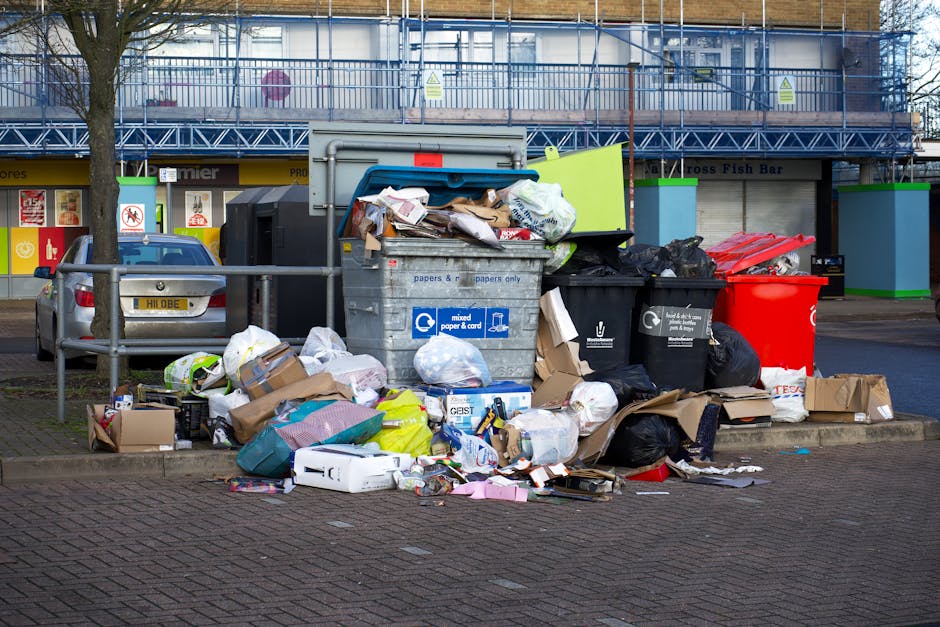
Avoid hidden rubbish collection charges in Hammersmith: a practical guide to fair, upfront pricing
Hidden fees are the part nobody likes to discover after the van has already turned up. If you are trying to avoid hidden rubbish collection charges in Hammersmith, the good news is that most unpleasant surprises can be prevented with a bit of know-how and a few simple checks before you book. In a busy part of west London, where access can be tight and jobs can vary from a single sofa to a full flat clearance, price transparency really matters. This guide walks you through what to watch for, how pricing usually works, and the small details that often make the biggest difference.
Whether you are clearing a basement, a garden, an office, or a mixed household load, you should be able to understand what you are paying for. No guesswork. No vague "from" price that balloons later. Just clear, sensible decisions.
Why avoiding hidden rubbish collection charges matters
At first glance, a rubbish collection quote can look straightforward. Then suddenly there is a charge for stairs, a fee for heavier items, an extra cost for access, another line for labour, and maybe a surcharge because the job took longer than expected. That's the part that catches people out. And to be fair, it often happens because the job was never described properly in the first place.
In Hammersmith, where properties range from mansion blocks and high-street flats to family homes and office spaces, the same job can look very different from one address to the next. A collection on King Street is not always the same as a pickup with awkward access near narrow roads or busy transport links. If you are not careful, the quote you accepted at 9am can feel very different by lunch.
Avoiding hidden charges matters for three reasons:
- Budget control: You know the real cost before the work starts.
- Better service decisions: You can compare providers on the same basis, not just the lowest headline number.
- Less stress: No awkward arguments on collection day, which, let's face it, nobody wants while standing next to a pile of old boxes.
If you are researching local services more broadly, it can help to understand the wider context of what a professional provider offers. A good starting point is the services overview, which gives a clearer picture of how different rubbish and clearance jobs are typically handled.
For homeowners, landlords, business owners, and anyone moving in or out of the area, clear pricing also builds trust. That trust matters in local service work. A lot.
How rubbish collection pricing usually works
Most rubbish collection companies price jobs using a mix of volume, weight, labour, access, waste type, and time. You do not usually need to become an expert in all of it, but you do need enough understanding to spot where a quote can shift.
Here is the simple version. A provider may assess your waste based on the space it takes in the truck, the type of material, and the effort required to remove it safely. For a straightforward load on the ground floor, the price may be close to the original estimate. For a bulky clearance down three flights of stairs with no lift, that same estimate may rise if the provider did not factor in the labour involved.
The most common pricing elements include:
- Volume: How much space the items take up.
- Weight: Heavy materials can cost more to transport and process.
- Access: Stairs, distance from the property to the truck, parking restrictions, or awkward entry points.
- Waste type: Mixed waste, bulky furniture, garden waste, builders' waste, and electrical items may be priced differently.
- Labour time: More sorting, lifting, dismantling, or carrying usually means more cost.
- Disposal route: Some items require specific handling or recycling processes.
If you are booking a more specific job, such as a renovation clear-out, it may be worth reading about builders waste disposal in Hammersmith. Builders' rubble, timber, and mixed renovation debris are often priced differently from general household rubbish.
Pricing becomes much easier to manage when you describe the job well. A quote based on "a few items" is not especially useful. A quote based on "one two-seater sofa, three office chairs, six bags of mixed waste, and access via the first-floor rear staircase" is. See the difference?
Key benefits and practical advantages
The obvious benefit is saving money. But avoiding hidden charges does more than protect your wallet. It improves the whole experience.
1. You can compare providers fairly.
When one company gives a fully itemised estimate and another gives a vague headline price, you are not comparing like with like. Transparent pricing makes the decision easier and fairer.
2. You avoid last-minute friction.
There is nothing pleasant about a driver or crew member telling you the price is higher than expected once they have arrived. Good planning removes that tension.
3. You can choose the right service level.
Sometimes a full collection is best. Sometimes furniture-only disposal is enough. Sometimes a simple one-off pickup does the job. Transparent quotes help you choose the right route rather than overpaying for more than you need.
4. You reduce the risk of rushed decisions.
People often book quickly because they need a same-day collection or want a room clear before a viewing. That is when hidden charges can sneak in. A careful quote protects you from the "I'll just go with it" moment.
5. You get better value from add-on services.
If a provider offers recycling, dismantling, or specialist handling, those extras should be clear and reasonable. That makes them a useful choice, not a surprise.
Many people using local collections are also managing a wider project, such as moving house, refurbishing a flat, or preparing a rental property. In that situation, it helps to keep related tasks connected. For example, if you are emptying a home after a sale, the advice in selling real estate in Hammersmith can be useful alongside your waste planning.
Small saving, less stress, better timing. That is the real win.
Who this is for and when it makes sense
This approach is useful for far more people than you might think. It is not just for landlords or builders with large loads. In everyday life, rubbish tends to build up in ordinary moments.
- Homeowners clearing lofts, garages, sheds, or spare rooms.
- Tenants moving out and needing a tidy final sweep.
- Landlords preparing a property between occupiers.
- Estate agents and sellers wanting a presentation-ready space.
- Office managers disposing of old desks, chairs, and packaging.
- Trades and renovators handling builders' waste after a project.
- Garden owners dealing with branches, soil, and cuttings.
If you are planning a clear-out before an event, the same logic applies. A large house or venue clean-up can generate clutter quickly, which is why people often browse local information like party venue ideas in Hammersmith when organising a space for guests or post-event tidy-up.
It also makes sense when timing matters. For example, if you have a move-out inspection tomorrow, or builders are arriving first thing Monday morning, you need certainty. Not "probably" certainty. Actual certainty.
And if you are the kind of person who keeps a mental note of every extra charge on the bill, well, this guide is very much for you.
Step-by-step guidance
The safest way to avoid hidden rubbish collection charges in Hammersmith is to make the booking process a little more exact. Not complicated. Just exact.
-
List everything that needs collecting.
Start with item types, rough quantities, and whether anything is bulky, heavy, sharp, fragile, or awkward to carry. A few extra minutes here can save a lot later.
-
Explain access clearly.
Say whether there are stairs, lifts, tight hallways, permit parking, long walks from the property to the road, or limited access windows. This is where many "unexpected" charges start.
-
Ask what is included in the quote.
Check whether labour, loading, disposal, recycling, congestion-related timing, and VAT are included. If something is not mentioned, ask directly. Better now than later.
-
Clarify what might increase the price.
Good providers should explain the common triggers for extra cost. That could be extra volume, unsorted waste, difficult access, or a change in the job on arrival.
-
Request a written estimate or confirmation.
Even a simple email helps. It gives you a record of what was agreed and makes the conversation easier if the job changes.
-
Check the service type matches the job.
A sofa-only pickup is not the same as a full house clearance. A garden waste collection is not the same as builders' rubble. Matching the job to the right service reduces surprises.
-
Be present or reachable on the day.
If the crew has questions, quick answers keep the work moving and reduce the chance of default assumptions being added to the bill.
If you are looking at a fuller clearance rather than a single-item pickup, services such as house clearance in Hammersmith can be worth comparing with one-off collection. The right option depends on the size of the job, not just the headline price.
Small note: the cheapest quote is not always the best quote. Sometimes it is just the least honest one. Bit blunt, but there it is.
Expert tips for better results
After enough collections, a few patterns become obvious. The best pricing conversations are usually the ones where the customer gives practical detail and the provider gives practical answers. Simple as that.
Tip 1: Use photos where allowed.
Photos help with volume and access estimates. A picture of the pile in the hallway says more than a long description sometimes. Especially if it includes that one awkward wardrobe that looks harmless until you try to move it.
Tip 2: Separate waste categories in advance.
Keeping garden waste apart from furniture, and furniture apart from builders' rubble, often makes the quote clearer. It also supports better recycling outcomes. If you want to understand the broader environmental side, the site's recycling and sustainability information is a useful companion read.
Tip 3: Ask about dismantling.
A bed frame, wardrobe, or desk may need to be taken apart before removal. Some companies include that; some do not. Ask outright.
Tip 4: Check timing assumptions.
A same-day job, a narrow collection window, or a timed arrival during a busy street can affect pricing. The time of day matters more than people expect.
Tip 5: Keep the job scope fixed.
If you add extra items on the day, the quote may change. That is normal. The problem is not the change itself; it is not knowing whether a change will cost more.
Tip 6: Compare like with like.
Two quotes can only be compared properly if they include the same assumptions. One might include loading and disposal. Another might not. Ask, then compare.
Tip 7: Look for clarity on payment terms.
Payment method, timing, and any deposit expectations should be clear before the job starts. A little admin now saves a lot of hassle later.
If you are arranging business waste, office clearances, or equipment removal, the same logic applies. Services like office clearance in Hammersmith often involve different assumptions from domestic jobs, so do not let the quote blur the lines.
Expert summary: The best way to avoid surprise charges is not to "hope for the best"; it is to describe the job properly, confirm what is included, and get the pricing basis in writing. That one habit solves more problems than almost anything else.

Common mistakes to avoid
Most hidden charges are avoidable, but only if you know where the traps are. These are the mistakes we see most often.
- Booking on price alone. The lowest headline figure can be misleading if it excludes loading, disposal, or access costs.
- Under-describing the waste. "A few bits" is not enough detail for an accurate quote.
- Forgetting access issues. A second-floor flat with no lift is very different from ground-floor frontage.
- Assuming all items are treated the same. Furniture, green waste, and builders' debris can carry different handling requirements.
- Not asking about VAT or extras. This is a classic one. If the estimate is not clear, ask.
- Changing the job on the day without discussing it. It may be fine, but it should be agreed first.
- Ignoring service-specific pricing. A sofa pickup, a garden clearance, and a full house clearance are not equivalent jobs.
Some people also assume local convenience means a cheaper service by default. Not always. Even where the route is short, the labour and disposal costs still matter. If you are comparing nearby options around central Hammersmith, practical guides such as the King Street rubbish collection guide or collections near Hammersmith Broadway Station can help you think through access and timing.
And yes, sometimes people do forget to mention the giant old armchair until the van is already outside. Happens more than you would think.
Tools, resources and recommendations
You do not need fancy software to keep your costs under control. A few simple tools are enough.
- Item list: Write down each item or pile category before you request a quote.
- Photo set: Take a few clear pictures from different angles. Include stairs or access points if relevant.
- Room-by-room notes: Handy for bigger clearances so nothing is forgotten.
- Measurement rough-ups: Even approximate dimensions can help with bulky items.
- Quote comparison notes: Keep the same questions for each provider so the replies are easier to compare.
For a more service-led comparison, these pages can help you think about the type of clearance you actually need:
- furniture disposal in Hammersmith
- garden waste removal in Hammersmith
- general waste collection in Hammersmith
For some people, the right choice is not the cheapest collection but the most suitable one. A furniture-only job for a single flat is very different from a mixed, multi-room clear-out after tenants move on. The better you match the service to the job, the less likely you are to face awkward add-ons.
One more useful recommendation: read the terms before you commit. Not in a suspicious way, just in a sensible way. There is often plain-English information in the terms and conditions that explains what can affect pricing, timings, and service expectations.
Law, compliance, standards and best practice
Waste collection in the UK sits within a practical framework of legal duties and accepted best practice. You do not need to know every detail, but it helps to understand the basics. Responsible providers should handle waste properly, dispose of it through appropriate channels, and operate in a way that supports safety and traceability.
In plain English, that means you should expect the following:
- Clear descriptions of the service: You should know what is included before work begins.
- Safe handling: Items should be moved carefully, especially where there are stairs, heavy objects, or breakable materials.
- Appropriate disposal: Waste should not simply be dumped somewhere unsuitable.
- Transparent pricing practice: Good providers explain what affects cost rather than hiding it.
- Respect for customer data and payment handling: Booking and payment processes should be handled securely.
If a provider is careful about service details, safety, and payment handling, that is usually a strong sign. It does not guarantee perfection, of course, but it shows the right mindset.
It is also reasonable to check whether the company has clear internal policies on safety, privacy, and responsible working practices. Those pages may sound dry, but they can tell you a lot about standards and professionalism. For example, the site's insurance and safety information and privacy policy are both relevant signals when you want reassurance before booking.
Best practice, in short: be clear, be specific, and expect the provider to be equally clear back.
Options, methods and comparison table
Different rubbish jobs suit different collection methods. If you choose the wrong one, the price can feel inflated or the service can feel overkill. Here is a simple comparison.
| Option | Best for | Potential hidden charge risk | How to reduce it |
|---|---|---|---|
| Single-item collection | One sofa, mattress, appliance, or desk | Extra labour or access fees if the item is awkward | State size, weight, and access clearly |
| General rubbish collection | Mixed household or office waste | Unexpected sorting or volume changes | Separate waste types and estimate the total load |
| House clearance | Multiple rooms, end-of-tenancy, downsizing | Scope creep when extra rooms or items are added | Walk the property and list every area to be cleared |
| Furniture disposal | Bulky household items and flat-pack furniture | Dismantling or lifting charges | Ask if dismantling is included before booking |
| Garden waste removal | Cuttings, branches, soil, hedge trimmings | Weight and bagging differences | Keep garden waste separate from general rubbish |
| Office clearance | Desks, chairs, filing, small business clear-outs | Extra time for access, sorting, or dismantling | Give a room-by-room inventory and access notes |
There is no single "best" option for everyone. It depends on the waste type, quantity, access, and timing. That sounds obvious, maybe, but it is the part people often skip when chasing the cheapest number.
For property investors and landlords in particular, the planning side can be important. If you are considering long-term use or preparing a property for letting, the perspective in how to invest in Hammersmith real estate can be useful because waste management is one of those quiet costs that adds up across a portfolio.
Case study or real-world example
Imagine a two-bedroom flat near a busy Hammersmith road. The tenant has moved out, leaving a broken wardrobe, a mattress, some cardboard, and several black bags of mixed waste. The first quote looks low. Good start, or so it seems.
But the property is on the third floor, there is no lift, parking is limited, and the wardrobe needs dismantling before it can come down the stairs. If those details were not explained in advance, the collection crew may arrive expecting a quick pickup and then revise the price after seeing the job.
Now imagine the same job handled properly:
- The customer sends photos and a full item list.
- They mention the stairs, no lift, and parking limits.
- The provider confirms what is included and what could change the price.
- The quote is accepted on that basis, with no surprises on arrival.
The result? A cleaner handover, no debate at the door, and a lot less stress for everyone involved. Quite boring, in a good way.
That is usually the mark of a decent booking process. Not dramatic. Just honest.
If you are dealing with a move, a property sale, or a business changeover, local context helps too. Articles like rubbish removal options near Fulham Palace Road and rubbish pickup tips for Ravenscourt Park Estate can be handy when the logistics are part of the problem, not just the waste itself.
Practical checklist
Use this before you accept a quote. It is simple, but it works.
- Have I listed every item or pile that needs collecting?
- Have I explained access, stairs, lifts, and parking clearly?
- Do I know whether labour, loading, and disposal are included?
- Have I asked whether VAT or extra fees may apply?
- Does the service match the job type: furniture, garden waste, office clearance, or general rubbish?
- Have I asked about dismantling or moving heavy items?
- Do I have the quote or agreement in writing?
- Have I checked payment expectations before collection day?
- Am I comparing quotes on the same basis?
- Have I made sure nothing important was left out "because it seemed small"?
If you can tick most of those boxes, you are already in much better shape than the average customer. And yes, that last point about "small" items is where many jobs drift. One extra cabinet or bag of rubble may not seem like much, but these things have a habit of adding up.
Get a free quote today and see how much you can save.
Conclusion
To avoid hidden rubbish collection charges in Hammersmith, keep the process simple: describe the job well, ask what is included, confirm the price basis, and make sure the service matches the waste type. That approach protects your budget, reduces stress, and makes the whole experience feel much more professional.
The real trick is not hunting for the cheapest number. It is finding the clearest one. A clear quote is often the first sign of a trustworthy service, and in a place as busy and varied as Hammersmith, that clarity is worth having.
Take your time, ask the awkward question if needed, and do not rush past the fine print. A little care now can save a surprisingly large headache later. And honestly, your future self will thank you for it.

 Tipper Van - Waste Collection and Attic Rubbish Removal Prices in Hammersmith, W6
 Luton Van - Waste Collection and Attic Rubbish Removal Prices in Hammersmith, W6


