Rubbish collection at Hammersmith Broadway station made easy
Posted on 06/06/2026

If you have ever tried to move rubbish near a busy transport hub, you will know it can get messy fast. Timetables, foot traffic, tight pavements, awkward bags, and the constant rush around Hammersmith Broadway all make a simple clearance feel harder than it should. That is exactly why Rubbish collection at Hammersmith Broadway station made easy matters: it turns a stressful, stop-start job into something organised, safe, and surprisingly straightforward.
Whether you are clearing a shop, emptying a flat, dealing with office waste, or just getting rid of bulky items before they become a nuisance, the goal is the same. You want a fast, tidy collection that fits around real life. In this guide, we will walk through how rubbish collection works near Hammersmith Broadway, who it helps most, what to expect, and how to avoid the usual headaches. Nothing fancy. Just the practical stuff that makes the difference.
And to be fair, near a station like this, practical is everything.
Why Rubbish collection at Hammersmith Broadway station made easy Matters
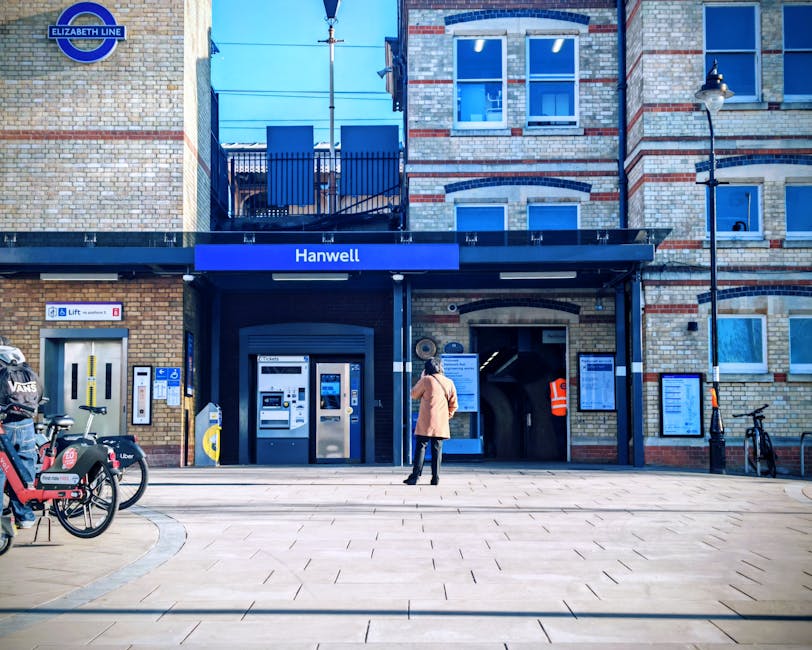
Hammersmith Broadway is not the kind of place where you can casually leave a pile of waste and hope it disappears. It is busy, visible, and constantly moving. Commuters are coming and going, local businesses need access, and residential streets nearby are often tight enough that a badly planned collection can block someone's day. That is why a good rubbish collection process has to be more than "turn up and remove items." It has to be timed, tidy, and considerate.
When rubbish is left too long near a station environment, small issues become bigger ones. Bags split. Cardboard gets wet. Flies show up in warmer weather. A couple of bulky items suddenly look like a mini dumping ground. Nobody wants that, least of all the people trying to get to work or catch a train. It is a classic London problem: plenty going on, very little room for error.
There is also the reputation side of things. If you run a business, manage a property, or handle a building project in the area, the way waste is collected says a lot about how well the place is run. A neat frontage, clear access, and a quick turnaround quietly tell people you are on top of things. It sounds minor. It is not.
For readers exploring broader local services, the services overview is a useful place to see how different rubbish removal needs are handled across the area. If your clearance is tied to a property move or refurbishment, you may also find house clearance in Hammersmith and builders waste disposal in Hammersmith relevant depending on the job.
How Rubbish collection at Hammersmith Broadway station made easy Works
In simple terms, the process is about reducing friction. Instead of your waste sitting around until you can figure out a trip to the tip, a collection service takes the load off your hands and removes it from a known pickup point. Near Hammersmith Broadway station, the key is planning around access, timing, and the type of waste involved.
Most collections follow a fairly practical sequence. First, you identify what needs removing. Then you sort it into workable groups: general rubbish, bulky items, recyclables, and anything that needs special handling. After that, the collection is arranged for a time that suits access conditions. In a busy transport area, that usually means thinking about pedestrian flow, loading space, and any building restrictions. Simple, but not always easy.
The best collections are the ones where no one has to guess what happens next. The team arrives, checks the waste, loads efficiently, and leaves the site clean enough that you barely notice they were there. That last part matters more than people realise. A good clearance should finish with less clutter, less stress, and fewer loose ends.
Different waste types also affect how the job is handled. For example, a few bags of household rubbish are very different from old office chairs, broken shelving, or mixed construction debris. If you are clearing items from a workplace, office clearance in Hammersmith may be a better fit than a general one-off lift. If the waste is mainly broken furniture, then furniture disposal in Hammersmith is often the more efficient route.
And yes, timing really is half the battle. Around a station, a collection scheduled for the wrong moment can feel twice as disruptive as the same job elsewhere. Quiet hours, loading access, and foot traffic all make a difference. A collection that looks simple on paper can turn awkward very quickly if nobody has thought it through.
Key Benefits and Practical Advantages
The real value of making rubbish collection easy near Hammersmith Broadway is not just speed. It is control. Once you have a clear process, the whole job becomes calmer and more predictable.
- Less disruption: Waste is removed with minimal impact on commuters, neighbours, or customers.
- Cleaner surroundings: A tidy exterior makes the whole area feel more organised and safer.
- Better time use: You avoid dragging bags, renting vehicles, or making repeated trips.
- More flexible scheduling: Collections can often be arranged around opening hours, access windows, or moving dates.
- Improved sorting: Recyclable and reusable items can be separated more sensibly.
- Reduced stress: You are not trying to solve a practical problem in a rush.
There is also a subtle but important benefit for landlords and property managers. In a location as active as Hammersmith, waste left near a frontage can affect the impression people get of the whole property. A clean entrance feels cared for. A cluttered one does the opposite, even if the inside is spotless. Funny how that works, really.
For those thinking about waste reduction as part of a longer-term approach, the recycling and sustainability page is worth a look. If you want to understand the company background behind the service, about us gives useful context too.
Who This Is For and When It Makes Sense
This kind of rubbish collection is useful for a wider range of people than you might expect. It is not just for big construction jobs or full-scale clearances. In fact, some of the most common needs are fairly ordinary.
- Local residents moving home, downsizing, or clearing out storage items.
- Shop owners replacing display units, packaging waste, or old stock fixtures.
- Office managers dealing with broken furniture, paper waste, and outdated equipment.
- Landlords and agents preparing a flat between tenancies.
- Builders and tradespeople needing regular debris removal after smaller jobs.
- Event organisers handling post-event waste and temporary equipment.
It also makes sense when time is tight. If you need a property handed back quickly, or you are trying to keep a narrow access route clear, the "I'll deal with it later" approach usually backfires. Let's face it, later has a habit of becoming next week.
People also often underestimate how much waste they actually have. A few bags here, a broken cabinet there, some cardboard, a pile of packaging, and suddenly the pile takes over the space. That is usually the point where a proper collection starts to feel less like a luxury and more like common sense.
If your clearance is part of a larger local move or investment project, there are some helpful related reads such as the King Street Hammersmith W6 rubbish collection guide, as well as local context in is Hammersmith ideal for local experiences? and embracing Hammersmith's charm.
Step-by-Step Guidance
If you want the process to stay smooth, a simple plan helps a lot. Here is a practical approach that works well in busy areas.
- List the waste clearly. Write down what needs removing: bags, furniture, broken items, mixed rubbish, or building debris.
- Sort the items by type. Keep recyclables apart from general waste where possible. It saves time later.
- Check access early. Think about lifts, loading bays, narrow entrances, parking restrictions, and any time windows.
- Choose the right collection type. General rubbish, office clearance, house clearance, furniture disposal, or builders waste all fit differently.
- Prepare the site. Move items into one place if you can, label anything sensitive, and clear a route for easier loading.
- Confirm timing. Around Hammersmith Broadway, timing matters. Aim for a slot that avoids the worst congestion if possible.
- Stay available for questions. A quick clarification on the day can prevent delays. Small detail, big effect.
- Do a final sweep. Check corners, cupboards, and outdoor areas. The last 10% often hides the odd leftover bag.
A useful rule of thumb: the more scattered the waste, the more time it takes to clear. If you can gather things in advance, even roughly, the job becomes cleaner and faster. Not perfect. Just better.
Expert Tips for Better Results
After enough clearances, a few patterns become obvious. The jobs that go smoothly usually share the same habits.
First, be honest about volume. Underestimating waste is common. People say "just a few bits" and then the van fills halfway through. If you are unsure, overestimate slightly rather than trying to squeeze in at the last minute.
Second, protect shared access. In a station-area setting, a stairwell, pavement, or entrance can be used by more people than you think. Keep it neat. Tape down loose packaging. Avoid leaving sharp edges exposed.
Third, keep separate items separate. A mixed pile can slow everything down. Even a little sorting helps, especially if some items can be recycled or reused. One small example: flattening cardboard before collection can make a very real difference in space and handling.
Fourth, think about the end state, not just the removal. Ask yourself what the area needs to look like after the collection. If it is a shopfront, it should still look presentable. If it is a flat, you want the handover to feel clean and complete.
Fifth, use the right service for the job. A one-off rubbish removal is not always the best answer. Sometimes the better fit is a dedicated service like waste collection in Hammersmith, while other times a focused service such as garden waste removal in Hammersmith makes more sense. Choosing well saves effort later.
One small human thing: people often wait until the last possible minute because the pile is "not that bad yet." Then it is dark, raining, and suddenly the hallway looks like a storage room. Happens all the time.
Common Mistakes to Avoid
The good news is that most rubbish collection problems are preventable. The bad news is that the same mistakes keep showing up. Here are the ones worth watching for.
- Leaving sorting too late: If everything is dumped together, collection takes longer and may cost more time.
- Ignoring access issues: A van may not be able to stop exactly where you imagined it would.
- Forgetting bulky items: Old desks, wardrobes, and shelving often take more room than expected.
- Assuming all waste is the same: Some materials need special handling or different treatment.
- Blocking shared areas: This can annoy neighbours, customers, and passers-by fast.
- Leaving paperwork or valuables mixed in: This one is painfully common. Double-check drawers and pockets.
- Booking without checking the scale of the job: A vague estimate can cause frustration on the day.
If you are dealing with post-renovation debris, it is especially easy to get the pile wrong. Builders waste always seems to expand after the fact, as if it has been waiting for the paperwork to clear. Not ideal.
Tools, Resources and Recommendations
You do not need a complicated toolkit to get this right. In most cases, the useful tools are the simple ones.
- Strong bin bags for smaller waste and mixed rubbish.
- Labels or masking tape to mark keep, recycle, and remove piles.
- Gloves for handling sharp, dirty, or awkward items.
- Trolley or sack barrow if there are heavier items to move short distances.
- Camera phone to photograph the waste before collection, especially for larger jobs or quotes.
- Measuring tape if you need to check whether bulky furniture can be moved safely through doors or lifts.
For planning and pricing clarity, the pricing and quotes page can help readers understand how jobs are usually scoped. If payment and booking security matters to you, the payment and security page is also a sensible reference.
There are a couple of useful pages that build trust too. insurance and safety helps reassure you that the job is being handled carefully, while terms and conditions is worth reviewing if you want to understand the service boundaries. It is not the thrilling part, obviously, but it is the part that prevents awkward surprises.
Law, Compliance, Standards, or Best Practice
Waste removal in the UK is not just a practical task; it also carries responsibilities. You do not need to become an expert overnight, but you should know the basics. Businesses, landlords, and contractors in particular should make sure waste is passed to a legitimate carrier and handled in line with normal duty-of-care expectations. In plain English, that means not dumping it casually, not handing it to the wrong person, and not assuming someone else will sort it out later.
For mixed or commercial waste, it is sensible to keep records, know roughly what is being removed, and avoid contaminating recyclable materials with general rubbish where possible. That is good practice even when no one is watching. It also makes collections faster and cleaner.
If the waste includes electrical items, sharp materials, or anything potentially hazardous, extra care is needed. The safest approach is to flag these items early so the collection plan can be adjusted. No drama, just good housekeeping.
There are also site-specific realities around a station location: public access, pedestrian safety, and keeping obstructions to a minimum. Around Hammersmith Broadway, good practice means being discreet, efficient, and considerate of everyone else trying to move through the space. A bit of common sense goes a long way here.
For readers interested in company values and responsible operations, you may also want to review the modern slavery statement and the company's privacy policy. They are not directly about rubbish collection, but they do help build a fuller picture of how the business approaches trust and accountability.
Options, Methods, or Comparison Table
There is more than one way to get rubbish moved away from a busy area. The right method depends on volume, timing, and how hands-on you want to be. Here is a simple comparison.
| Method | Best for | Pros | Trade-offs |
|---|---|---|---|
| Self-haul | Very small loads | Low direct cost, flexible timing | Time-consuming, parking and transport hassle, physical effort |
| Skip hire | Longer projects with predictable waste | Good for ongoing work, can handle more volume | Needs space, permits may be needed, can be less suitable near busy access points |
| Booked rubbish collection | Mixed waste, bulky items, one-off clearances | Fast, convenient, less disruption, no transport stress | Requires scheduling and a clear description of the waste |
| Specialist clearance | Office, house, furniture, builders, or garden waste | Tailored handling, better efficiency, better sorting | Needs the right service match for the job |
Near Hammersmith Broadway station, a booked collection or specialist clearance is usually the most practical choice. Space is limited, the roads are busy, and most people simply do not want to spend a day hauling rubbish around West London. Fair enough.
Case Study or Real-World Example
Here is a realistic scenario. A small office close to Hammersmith Broadway is preparing to hand back its lease. The team has a few old desks, several broken chairs, some boxes of archived paperwork, packaging from IT equipment, and a couple of awkward storage units that no one wants to keep. The corridor is narrow, and there is a daytime flow of staff and visitors.
If they try to deal with it themselves, the process becomes a series of interruptions. Someone needs a vehicle. Someone else needs to lift the heavier items. Storage items get left in the wrong place. The packaging ends up scattered. And by the end of the day, the office still does not feel finished.
With a proper collection plan, the job changes completely. Items are grouped in advance. The most awkward furniture is identified first. Access is checked. The collection is scheduled for a quieter window. The team can then focus on cleaning and handover instead of making endless trips up and down stairs. It is not glamorous, but it works.
That kind of practical result is why people often choose a specialist approach for office or furniture-heavy clearances. If your situation is similar, office clearance in Hammersmith is often the most relevant option, while a mixed load might be better suited to broader waste collection in Hammersmith.
Practical Checklist
Use this simple checklist before the collection day. It keeps things neat and stops the usual last-minute scramble.
- Confirm what is being removed.
- Separate bulky items from smaller rubbish.
- Check whether any items need special handling.
- Make sure access routes are clear.
- Move waste to one location if possible.
- Double-check cupboards, drawers, and storage corners.
- Protect floors and walls if heavy items are being moved.
- Keep the collection time realistic for the area.
- Review any booking details or instructions.
- Do a final walkthrough after the collection.
Expert summary: the easiest rubbish collection jobs near Hammersmith Broadway are the ones that are planned like a small project, not treated like an afterthought. Sort early, book sensibly, and think about access before the pile grows into a problem.
Conclusion
Rubbish collection at Hammersmith Broadway station does not have to be complicated. In fact, the whole thing becomes much simpler once you focus on three things: clear sorting, sensible timing, and the right kind of collection for the waste you actually have. That is the real shortcut.
What looks like a hassle on a busy London street can become a tidy, manageable job with a bit of planning. And once it is gone, the difference is immediate. The space feels lighter. The route feels clearer. You can breathe a bit easier. Nice, that.
If you are weighing up your options, start by matching the waste type to the right service, checking access in advance, and choosing a collection time that respects the area's pace. It is not about doing more. It is about doing the right few things well.
Get a free quote today and see how much you can save.
When the rubbish is gone and the space is clear again, even a busy corner of Hammersmith can feel calmer. Sometimes that little bit of order is exactly what the day needed.
 Tipper Van - Waste Collection and Attic Rubbish Removal Prices in Hammersmith, W6
 Luton Van - Waste Collection and Attic Rubbish Removal Prices in Hammersmith, W6


